

Organising a group holiday in Malaysia is one of the most rewarding things you can do, but it is also one of the most complicated. Whether you are coordinating a family reunion trip to Langkawi, a friends’ retreat to Cameron Highlands, or a multigenerational visit to Sabah, the logistics of group reservation can quickly become overwhelming. The good news is that group travel often unlocks pricing advantages and perks that individual travelers simply cannot access. With the right approach to arrangement, your group can travel better and spend less than anyone would on their own.
Starting with a Headcount and Commitment from Everyone
The most common reason group trips unravel is that planning begins before everyone has actually committed. Before any securing your spot is made, it is worth holding a simple group call or chat to confirm who is definitely coming, approximate budget expectations, and preferred travel dates. Having firm numbers early is essential because group pricing often depends on minimum group sizes, and airlines or tour operators need reliable headcounts. Once you have genuine commitment from all participants, the reservation process becomes far more manageable. Designating one person as the primary organiser with authority to make final decisions also saves the group from endless back-and-forth that delays action and causes prices to rise.
Securing Group Airfare at the Best Possible Rate
Airlines offer group fares for parties of ten or more that are often significantly lower than individual rates, particularly during peak travel periods. Malaysia Airlines and AirAsia both have group arrangement desks that handle requests for bulk seat allocations. These fares typically include flexible name-change policies, which is useful when group members are uncertain until close to departure. For smaller groups of four to eight people, securing your spot seats on the same flight as early as possible is the best strategy. Seat prices on budget carriers can vary substantially between reservation dates, so acting early before availability narrows is critical to keeping the group’s overall transport costs manageable.
Accommodation Deals That Scale Well for Groups
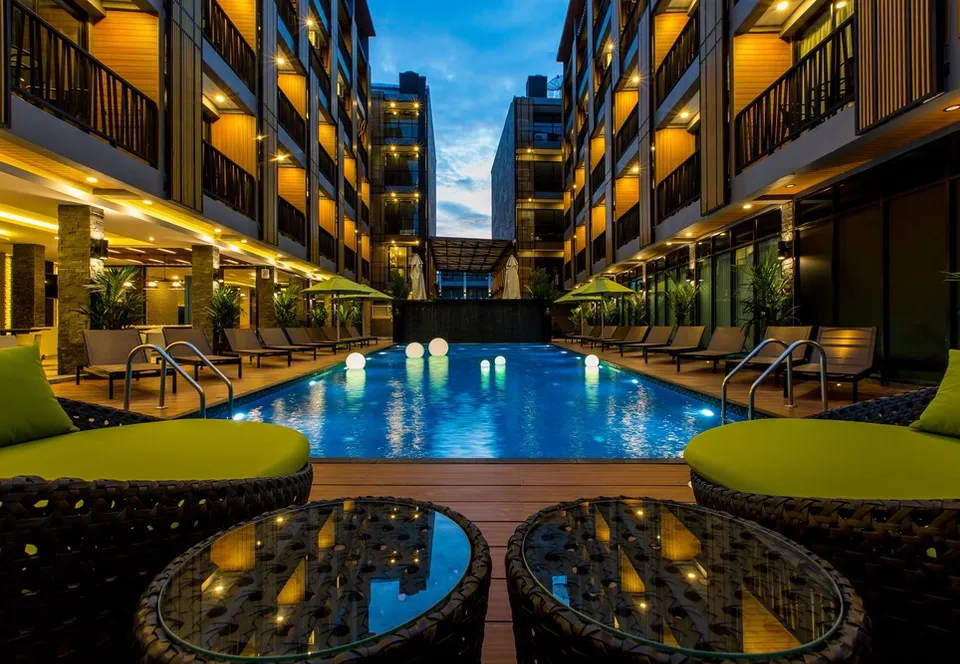
Hotels and resorts across Malaysia frequently offer better rates to groups that book multiple rooms together, especially during off-peak periods. Contacting the property’s sales team directly rather than booking through a standard online platform often unlocks negotiated rates, room upgrades, or complimentary extras like welcome drinks or early check-in. For large family groups, renting a holiday villa through platforms like Airbnb or dedicated Malaysian villa rental services can be more economical and far more enjoyable than splitting across multiple hotel rooms. Villas typically include shared living spaces and kitchens, which reduce meal costs and give the group more privacy and flexibility throughout the stay.
Managing Group Payments Without the Drama
Money is the most sensitive topic in any group travel arrangement, and handling it poorly creates lasting tension. Setting up a shared fund early, where each participant contributes their portion before any booking is made, prevents the organiser from being out of pocket waiting for reimbursements. Platforms like SplitWise or a simple shared spreadsheet help track contributions and expenses transparently so that everyone can see the running balance. For the main bookings, using a single payment method held by the organiser simplifies receipts and avoids the confusion of multiple partial payments. Being clear upfront about the refund policy if someone drops out prevents difficult conversations later.
Activities and Dining That Work for the Whole Group
One of the joys of group travel is shared experiences, but coordinating activities for a large group requires advance planning. Popular attractions in Malaysia often have limited capacity and can sell out, particularly at weekends and during school holidays. booking group activity slots ahead of time secures the experience and sometimes comes with a group discount of 10 to 20 percent. For dining, making reservations at restaurants rather than arriving and hoping for a large table eliminates long waits that frustrate hungry groups. Some restaurants offer set menus for groups that simplify ordering and bring the cost per person down compared to ordering individually from the standard menu.
Keeping the Itinerary Flexible Enough for Everyone
Large groups rarely move with the efficiency of a solo traveler or a couple. Build extra time into every transition in your itinerary. If the plan says meet in the hotel lobby at nine, expect the actual departure to be closer to nine-thirty. Over-scheduling a group trip leads to stress and arguments, while a loosely structured plan with a few anchor activities and free time in between keeps the mood positive. Encourage smaller sub-groups to split off for specific activities that not everyone wants to join. Shared meals and one or two group outings per day are usually enough to create lasting memories without leaving anyone feeling exhausted or pressured.
